Services


Organizational & Team Development
Your organization doesn’t have a people problem. It has a structural problem — solved with the wrong tools.
Most organizational friction isn’t caused by difficult people or missing motivation. It’s caused by structures that produce the wrong behavior — automatically, every day. We redesign the conditions so teams can do the work they’re capable of — and do work that delivers real value, not just activity.
No pitch. No obligation. Just clarity.







BEFORE OUR COLLABORATION
Six Signs the Organizational Design is the Problem
These are not edge cases. They are the default in most organizations.
Problem
Decision Paralysis
Nobody knows who can actually decide what. Everything escalates. The same conversation happens week after week.
Problem
Permanent Firefighting
Leadership is deep in operations, not building what the organization needs. Managing has replaced leading.
Problem
The Alignment Illusion
Everyone agrees in the meeting. Back at their desks, everyone acts on different assumptions.
Problem
Change Theater
Initiatives launch. Workshops happen. Decks get made. Three weeks later, the system is exactly as it was.
Problem
Busyness Over Value
More time on alignment rituals than on actual customer problems. The work that matters keeps getting pushed.
Problem
Autonomy Theater
Teams have freedom on paper. But no clear roles, no real decision rights. Autonomy without structure is just noise.
The organizations that fix this don’t find better people. They build better conditions.
15 minutes. 100% obligation-free.
SURVEYS
70% of Transformation Programs Fail. The Reason is Almost Always Structural.
The research is clear. Most organizations are working against the odds — without knowing why.
70%
of transformation programs fail to achieve their goals.
Not because of bad intentions — because behavior was addressed without changing the structural conditions that produce it.
Source: McKinsey — Why Do Most Transformations Fail, 2019
25B
hours lost annually in Fortune 500 companies due to poor collaboration.
Not a Fortune 500? The same structural patterns produce the same losses — scaled to your size.
Source: Atlassian — State of Teams – Work Life 2024
5x
less innovative — teams without trust and clear collaboration structures
Innovation doesn’t fail because people lack ideas. It fails because the structure doesn’t let ideas move.
Source: Forbes — Collaboration Drives Workplace Performance
The pattern across all three is the same: structural problems treated as behavioral ones. That’s where we work differently.
AFTER OUR COLLABORATION
What Your Organization Looks Like When the Structure Actually Works.
Not a new methodology. A real shift in how decisions get made, how work gets done, and where value actually goes.
Solution
Decisions Made Where the Knowledge Lives
No more escalation loops. The right person decides at the right level — fast.
Solution
Leadership That Leads Again
Out of the operational noise and back to the work only leadership can do.
Solution
Alignment That’s Real
Teams act on the same assumptions — not just in the meeting, but on a regular Tuesday.
Solution
Change That Holds
Because the system changed, not just the behavior in a workshop. New patterns become the new normal.
Solution
Ownership That Sticks
Clear roles, real mandates, no permission-waiting. Teams know what they own — and act on it.
Solution
Work That Creates Value
Less internal coordination, more time on actual customer problems. Busyness replaced by output.
This isn’t a description of a perfect organization. It’s what becomes possible when the structural conditions are right.
HOW IT WORKS
How we work — Clarify, Develop, Cultivate.
We work with you — not for you. Solutions don’t come from us. They emerge from the work we do together with your leadership and your team. This is what we mean by co-creative organizational development: not consultation delivered from a distance, but a structured process of joint observation, joint diagnosis, and joint design.
Your people know the system from the inside. We bring the outside perspective that makes the invisible visible: patterns you’re too close to see, structural dynamics nobody has named yet, leverage points that an internal view will always miss. That combination is where durable change comes from.
Phase 1: Clarify — Understand Before You Intervene
See the system clearly before touching it
Together with your leadership and core team, we map patterns, friction, and structural dynamics. What's actually blocking value creation? Where is the real leverage point — not the assumed one? Result: A shared, honest picture of what's happening — and where to start.

Phase 2: Develop — Build and Test in Real Work
Build capability in your actual context, not in a classroom
We develop new structures, clear roles, decision formats, and collaboration principles together — in small prototypes, tested in your real work. What holds gets embedded. What doesn't gets adjusted. Result: Structural changes that work in your reality — not on a slide deck.
Phase 3: Cultivate — Anchor and Hand Over
Make the new system the new normal
We build internal multipliers, transfer ownership, and establish simple routines that make the system self-sustaining. You leave with real capability — not a dependency on us. Result: Change that runs without us. Because that's the only kind worth building.
Every engagement is scoped to your situation. No standard program — we agree on a format that fits your complexity and your pace.
FOR WHOM?
Who This is for — and Who It Isn’t.
If you recognize yourself in more than two of these, it’s worth a conversation.
Not for you if…
You want to be told what you want to hear — not an honest outside perspective on what's actually driving the friction
You want a quick fix or a motivational offsite — not a structural process that requires real participation from leadership
You're not ready to question how decisions, roles, and coordination actually work in your organization
No leadership sponsor is willing to actively participate — change doesn't happen from a distance
You're looking for someone to fix it for you — rather than build the capability to fix it yourselves
This is for you if…
Your organization keeps producing the same friction — regardless of what you try
Growth, transformation, or a leadership change is exposing structural gaps you can no longer ignore
Your leadership team spends more time managing coordination than actually leading
You've run programs and workshops — and the patterns came back within weeks
You have talented people, but the system keeps producing the wrong outcomes
You're ready to look at structural causes, not just treat the symptoms
If you want change that holds once we’re no longer in the room — it’s worth a conversation.
Think big, start small.
CLIENT TESTIMONIALS
Don’t Just Take Our Word for It: Hear What Our Customers Say
🏆 Our project was honored with the German Design Award
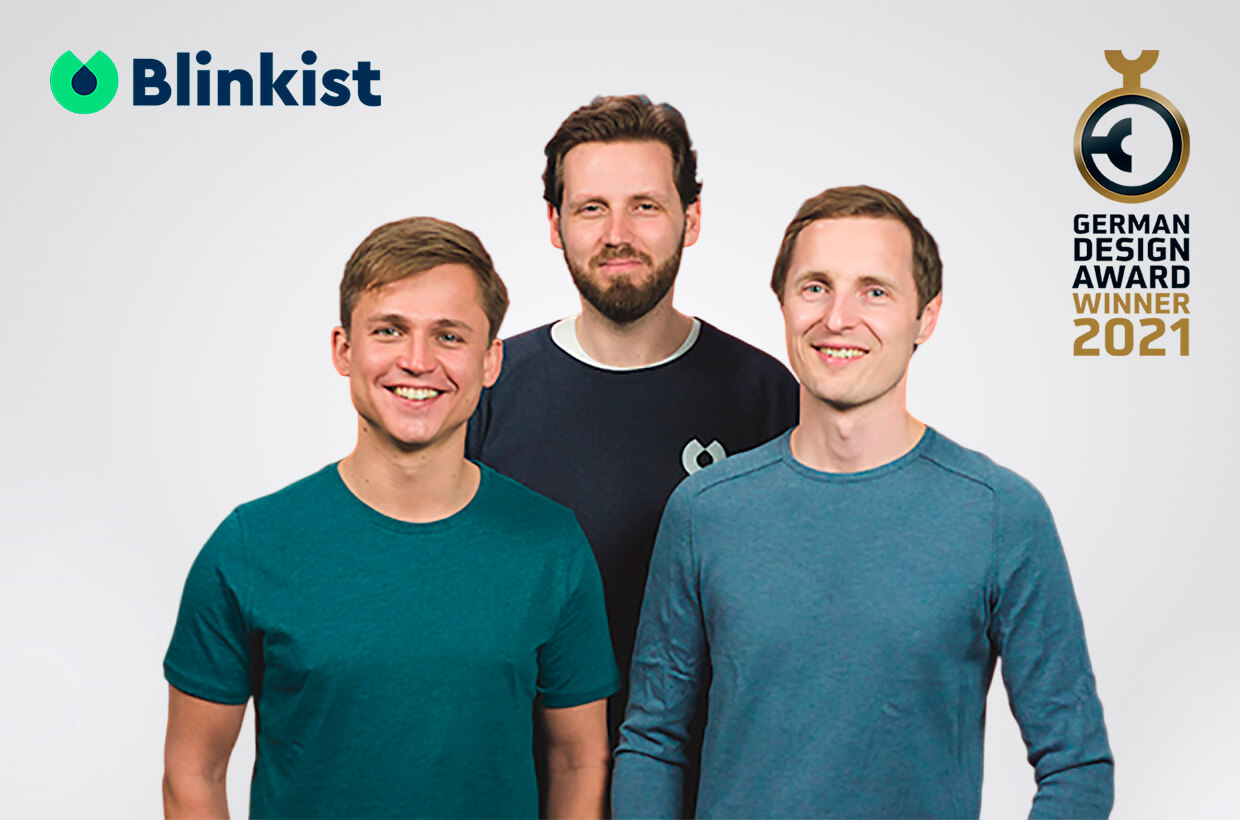
»Working with Martin Backes was great. We hired him to direct and consult us in our vision of becoming a worldwide-leading audio product.« Niklas Jansen, CEO and co-Founder blinkist
Challenge: Blinkist’s leadership team needed to align around a bold new vision — becoming a worldwide-leading audio product. Getting a complex, cross-functional stakeholder group moving in the same direction, fast, was the critical bottleneck.
Solution: Structured leadership alignment sessions brought the team to strategic clarity in days rather than months. Martin then stayed on as a strategic partner, coach, and consultant for 18 months — keeping execution sharp and the team aligned through the full transformation.
Result: Blinkist transformed into a premium audio-first product, and won the German Design Award in 2021. Two years later, the company was acquired by Go1, valued at over $2 billion.
🎯 This is what lasting organizational change feels like
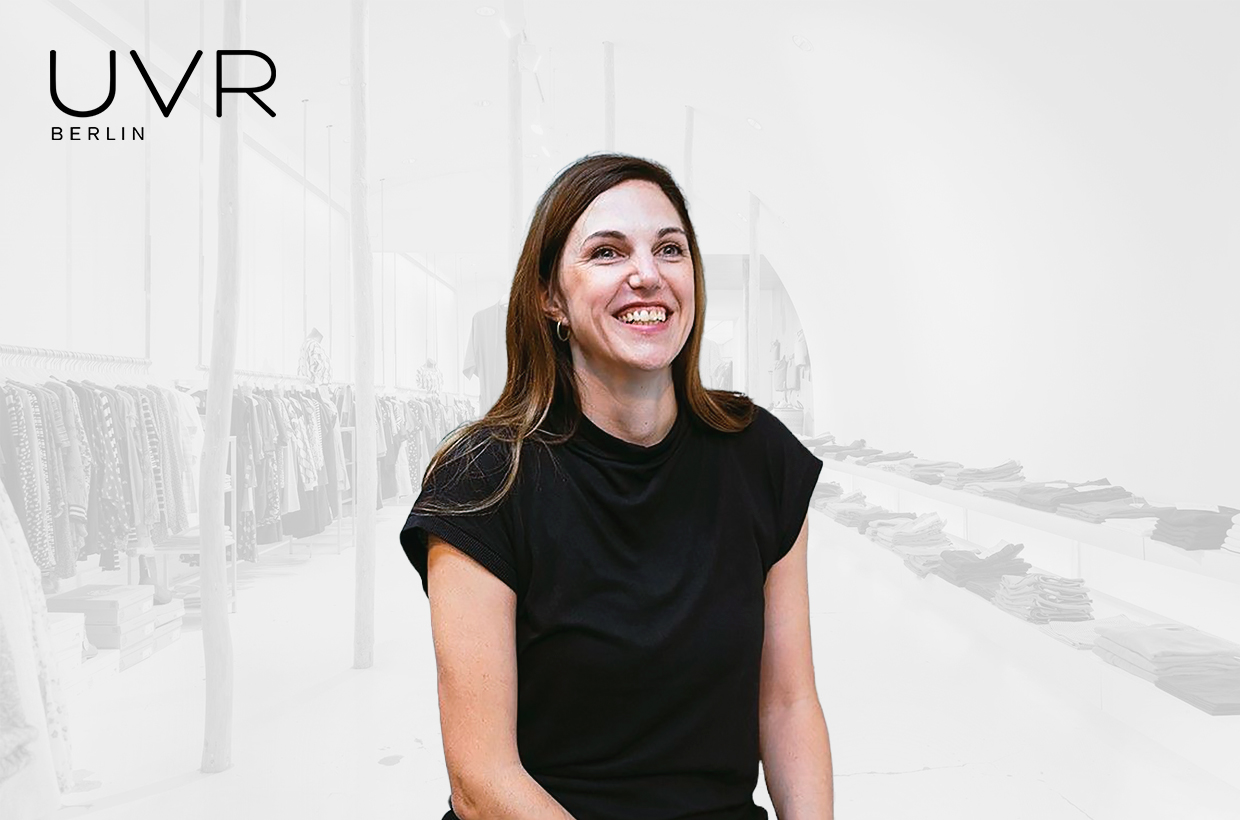
»Working with Martin Backes was a turning point for our organization. He helped us build real structures for leadership and collaboration — not just better meetings.« Anna Schieber, CEO UVR Berlin
Challenge: Slow decision-making, low team autonomy, and no scalable leadership structures. UVR Berlin was stuck in day-to-day firefighting — with no frameworks to unlock strategic innovation or growth.
Solution: Systemic redesign of leadership and collaboration: transforming leaders from firefighters to enablers with clear decision paths, defined responsibilities, and lightweight structures that enable real team autonomy. Built from the inside out for lasting results.
Result: Leadership became a real enabler — giving direction instead of creating bottlenecks. The team became more autonomous, decisions moved faster, and the dynamic shifted in ways that outlasted the engagement. UVR went on to open two new stores and successfully transitioned to a more sustainable brand.
FREE DIAGNOSTIC CALL
Not Sure Where the Real Friction Is? Let’s Find Out Together.
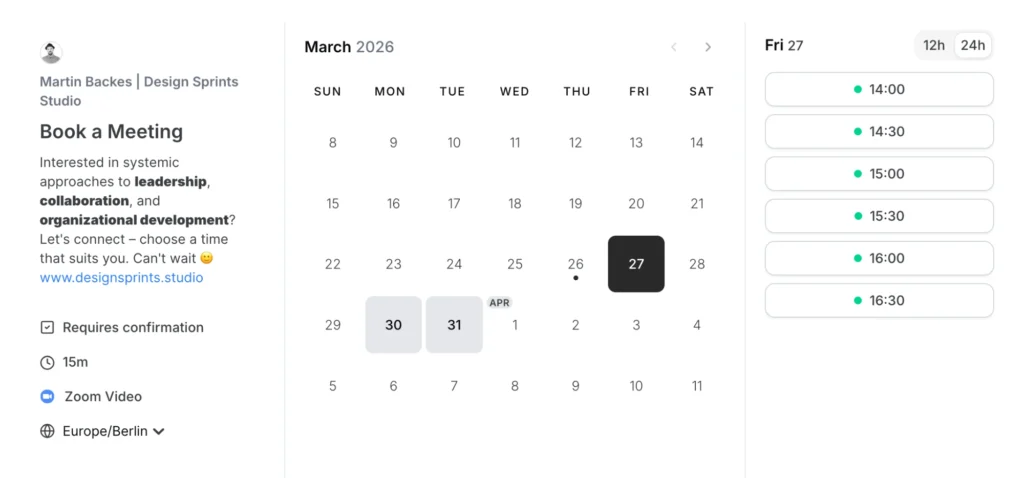
1. Scheduling
Pick a time that works for you — slots are available within the next few days.
2. Situation Analysis
We look at what’s actually happening in your system — not just what looks like the problem.
3. Your Diagnosis
You leave with a clear picture of where to work — whether we continue together or not.
Our first meeting is 100% free of charge and without obligation.
No pitch. No commitment. 100% free of charge.
GENERAL FAQs
Questions We Get Frequently
The questions we hear most often — answered directly. If yours isn’t here, just ask.
1. Structure, behavior, and psychodynamics — how does that fit together?
We look at structure first — decision paths, roles, communication channels, information flow. Because structure overrides behavior: the same people behave differently in different structures. That’s our primary lever.
That said, structure doesn’t explain everything. Individual patterns, blind spots, and psychodynamic processes influence how organizations function. We don’t ignore that — but we start where the leverage is highest. Organizational dynamics first, psychodynamics second.
2. What does working systemically actually mean in practice?
It means we don’t change people directly — we change the conditions that produce behavior. Concretely: we observe before we act. We treat the organization as a living system, not a machine. We look for the real leverage points, not the obvious symptoms. And we create conditions where solutions emerge from within — not imposed from above.
3. Why does this require external support — can't it be solved internally?
Anyone who works inside a system naturally develops blind spots — and sometimes becomes part of the very pattern causing the problem. Internal initiatives fail not from lack of will, but from lack of neutrality, time, or structural distance. We bring the outside perspective that’s always missing internally — not to deliver solutions, but to find the right leverage points.
4. How is this different from classic consulting?
Classic consulting diagnoses and recommends. We build together with your people — co-creatively, iteratively, shaped to your reality. The goal isn’t a concept we deliver. It’s a capability that stays inside your organization. That requires more participation on your side — and produces more durable results.
5. Who needs to be involved — and do you work with large corporations?
That depends on the diagnosis. Some structural problems sit at leadership level, others at team level — most require both. We clarify involvement after the initial diagnostic, not before.
On company size: yes, we work with larger organizations and corporations — typically within defined units or functions. What makes the difference isn’t size, it’s the willingness for real change. If you want to solve the same problem with more of the same, we’re not the right fit.
6. How long does this take?
There’s no standard program. Meaningful structural change takes time — typically a minimum of 8 to 12 weeks for focused work, often longer for complex systems. We agree on a realistic scope upfront with clear milestones — and adjust as we learn more about the system.
7. We've tried something similar before and it didn't work.
That’s useful information, not a disqualifier. If previous programs didn’t produce lasting change, it’s almost always because they worked at the wrong level — on behavior or culture directly, rather than on the structures that produce them. That’s exactly what we examine first.
8. Will our organization be able to continue this on its own?
Yes — that’s the core of our approach. We build internal multipliers, transfer ownership, and develop simple routines that make the system self-sustaining. You leave with real capability — not a dependency on us.
9. How does the investment justify itself?
Structural friction is expensive — in lost time, missed decisions, turnover, and value that never gets created. We help make those hidden costs visible and reduce them. The effects show up quickly — in clearer priorities, faster decisions, less coordination overhead. Most organizations find the investment pays back within weeks.
10. Do you work with day rates?
No. We don’t play the time-for-money game. Our currency is effectiveness — outcomes, not hours. We work as partners, not service providers. That also means: if we sense something is off, we reach out — without sending an invoice for it. Investments are agreed transparently and tied to outcomes.
Still have a question that’s not covered here? Just reach out — by email or by booking a call directly.
CONTACT
Book Your Free Diagnostic Call
Organizations rarely fail because of bad people or bad intentions. They fail because the conditions for good work — and real value creation — are broken. We fix the conditions, and we build them to run without us.
If you’re tired of recurring friction and ready to address it at the root — we’d like to hear from you.