For Founders and Leadership Teams of Growing Companies


We Fix the Conditions for Real Leadership, Collaboration, and Value Creation
Leadership Development & Organizational Design
We redesign the structural conditions that produce behavior — so that leadership can actually lead, teams can take real ownership, and the work that matters gets done. No business theater. Built to run without us.
No pitch. No commitment. Just real value.








BEFORE OUR COLLABORATION
The Real Reason Leadership and Organizational Problems Keep Coming Back
Markets move faster. Organizations respond slower. The gap between the two is where value gets lost — and it almost always has a structural source.
Problem
Leadership Stuck in Operations
80% of leadership time goes to issues the team should handle. Strategy, team development, the decisions that actually matter — always next week.
Problem
Front Stage / Back Stage
What gets said in the meeting. What actually happens afterwards. The gap between the two is where trust erodes — and where the real decisions quietly get made.
Problem
Change That Doesn’t Hold
Initiatives launch. Workshops happen. Decks get made. Three weeks later, the system is exactly as it was. The next initiative is already in planning.
Problem
Decisions Made Too Far From the Problem
The people closest to the problem don’t decide. The people furthest from it do. Speed dies. And the best people stop bringing their ideas.
Problem
High Effort – but Revenue Doesn’t Follow
Everyone is working hard. But most of that effort goes to internal friction, not customer value. The overhead grows. Revenue doesn’t follow.
Problem
Your Best People Are Leaving
They chose you for the culture you described. They left for the one they found. High performers don’t stay where good work isn’t possible.
These aren’t edge cases. They are the default in most organizations. That’s exactly where we work differently.
15 minutes. 100% obligation-free.
SURVEYS
The Real Cost of Poor Leadership, Collaboration, and Organizational Design
The consequences aren’t just frustrating. They’re measurable — and expensive.
70%
of transformation programs fail to achieve their goals.
Not because of bad intentions — because behavior was addressed without changing the structural conditions that produce it.
Source: McKinsey — Why Do Most Transformations Fail, 2019
7%
of annual revenue lost due to weak or unclear leadership structures.
Delayed decisions, missing accountability, high turnover — all structural, all preventable.
Source: Saville Assessment — The True Cost of Poor Leadership, 2024
23%
of employees worldwide are genuinely engaged at work.
The cost is $8.9 trillion in lost productivity annually. Culture is the primary driver — and it’s a structural outcome, not a mood.
Source: Gallup — State of the Global Workplace, 2024
5x
less innovative — teams without trust and clear collaboration structures.
Innovation doesn’t fail because people lack ideas. It fails because the structure doesn’t let ideas move.
Source: Forbes — Collaboration Drives Workplace Performance, 2017
The good news: structural problems are diagnosable. And they're fixable.
FREE DIAGNOSTIC TOOL
How Dysfunctional is Your Organization — Really?
Our free diagnostic gives you a clear picture of where your system produces friction, waste, and hidden costs. Takes 5 minutes. No signup required.
Free diagnostic tool. One honest score
and a clear picture of where to start.
WHO YOU’RE WORKING WITH
The Leadership and Organizational Development Consultant Who Starts With the System — Not the Symptom
I work as a systems navigator — observing before intervening, making patterns visible, and helping leaders and teams see their system more clearly so they can act more freely and create real value.
I don’t just address the individual. I see the organizational system they’re operating inside — and work at both levels simultaneously. Because structure overrides behavior every time. Change the mindset without changing the conditions, and the system wins within weeks.
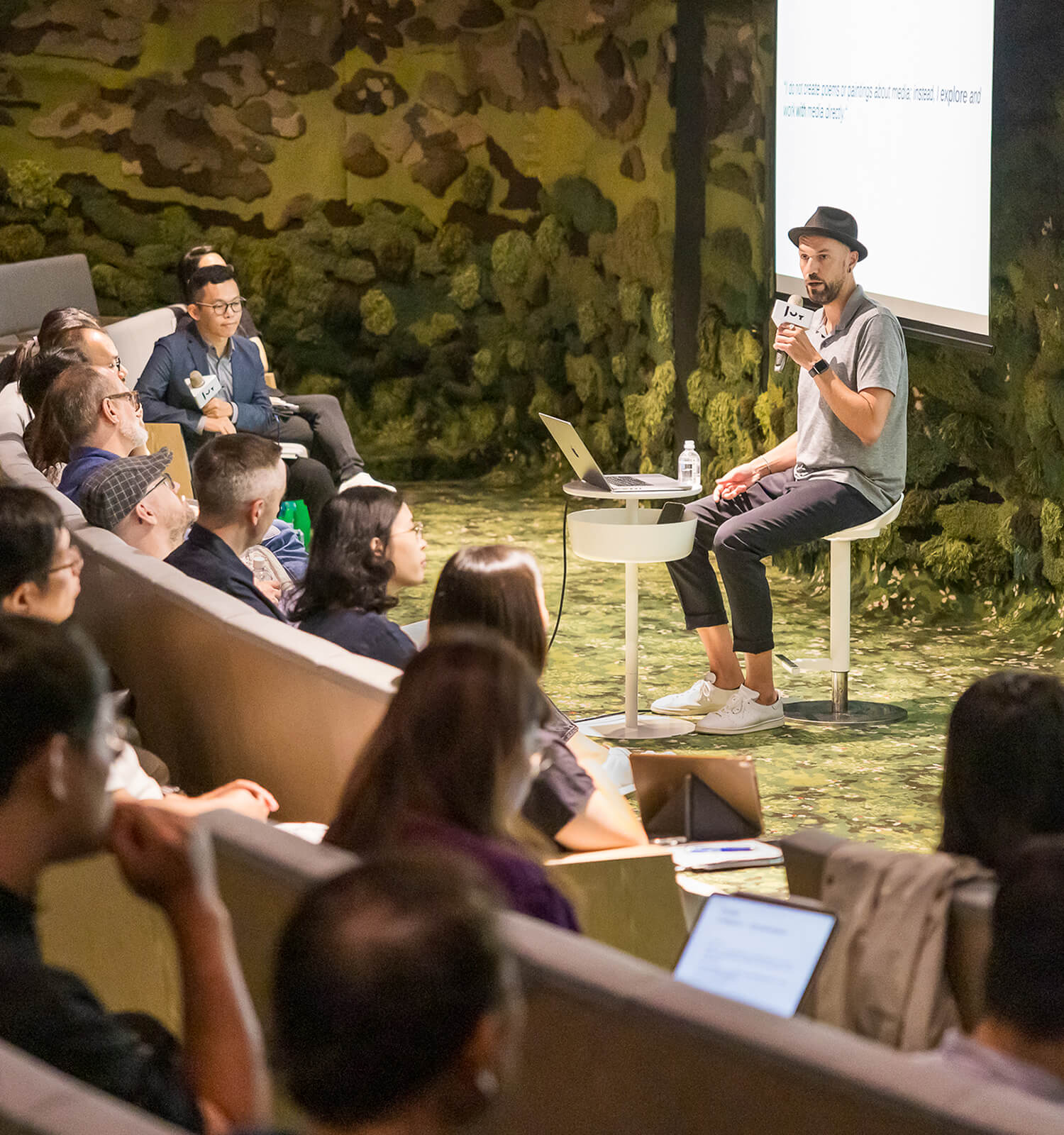
Martin Backes – Transformation coach, consultant, and facilitator for leadership, innovation, and organizational development. Speaker, author, trainer, and lecturer.
🥷 20+ years of experience in design, leadership, innovation, and organizational development, across projects, trainings, and teaching.
📊 3 companies founded (Design Sprints Studio/Cohive, Studio Martin Backes, aconica)
🎤 15+ years of experience as a university lecturer (theory meets practice)
👨🏫 10+ years of experience as a business trainer and mentor
🪪 1 000+ people trained and certified in workshops and seminars
📱 Product Design, UX expert and official usability certifier in the DACH region
🥇 German Design Award winner 2021
🎨 International recognition: work exhibited in museums worldwide
🏅 Certified in Transformation, Change Management, New Work, Agile Coaching, (AI) Design Sprints, Design Thinking, UX and Service Design, Problem Framing, JTBD, and Workshop Facilitation
Not your typical consultant. I cut through the noise, work at the level where patterns actually change — and build solutions that run without me.


AFTER OUR COLLABORATION
What Becomes Possible When Leadership, Collaboration, and Culture Actually Work
Not a description of a perfect organization. A description of what becomes possible when the conditions are right.
Solution
Leadership That Leads Again
Out of the operational noise and back to the work only leadership can do: strategy, team development, and the decisions that actually matter. Managing has been replaced by leading.
Solution
One Organizational Reality
What gets said in the meeting matches what happens afterwards. Trust becomes the default — because the system makes honest behavior easier than political behavior.
Solution
Change That Holds
Because the system changed — not just the behavior in a workshop. New patterns become the new normal and run without external support. No post-program relapse.
Solution
Decisions Made Where the Knowledge Lives
No more escalation loops. The people closest to the problem have the mandate to solve it. Speed returns. And the best people start bringing their ideas again.
Solution
High Effort That Drives Real Returns
Less internal friction, more time on actual customer problems. The overhead shrinks. Energy and revenue follow the work that actually matters.
Solution
Your Best People Stay and Engage
The culture you describe is the culture people experience. High performers stay because good work is actually possible — and because the gap between promise and reality has closed.
HOW IT WORKS
Our 3-Step Approach for Change That Actually Holds: Clarify, Develop, Cultivate.
We work with you — not for you. Solutions don’t come from us. They emerge from the work we do together with your leadership and your team.
Your people know the system from the inside. We bring the outside perspective that makes the invisible visible — patterns you’re too close to see, structural dynamics nobody has named yet, leverage points that an internal view will always miss. That combination is where durable change comes from.
Phase 1 — Clarify: Understand Before You Intervene
See the system clearly before touching it.
Together with your leadership and core team, we map patterns, friction, and structural dynamics. What's actually blocking value creation? Where is the real leverage point — not the assumed one? Result: A shared, honest picture of what's happening — and where to start.

Phase 2 — Develop: Build and Test in Real Work
Build capability in your actual context, not in a classroom.
We develop new structures, clear roles, decision formats, and collaboration principles together — in small prototypes, tested in your real work. What holds gets embedded. What doesn't gets adjusted. Result: Structural changes that work in your reality — not on a slide deck.

Phase 3 — Cultivate: Anchor and Hand Over
Make the new system the new normal.
We build internal multipliers, transfer ownership, and establish simple routines that make the system self-sustaining. You leave with real capability — not a dependency on us. Result: Change that runs without us. Because that's the only kind worth building.
Every engagement is scoped to your situation. No standard program — we agree on a format that fits your complexity and your pace.
FOR WHOM?
For Leaders, Teams, and Organizations Ready to STOP…
Losing Value
Are you paying full price for an organization that keeps producing the wrong outcomes — despite genuine effort and good people?
Losing Time
Is your business spending more time on internal coordination than on the work that actually creates value?
Losing Talent
Are your best people leaving for organizations where good work is actually possible?
We’re here to help you fix the conditions — not the people. Because the system will neutralize everything else.
Think big, start small.
SERVICES
What We Do
Tired of Business Theater? We work with leaders, teams, and organizations to tackle the real problems — not the symptoms. Grounded in systems thinking. No one-size-fits-all. No standard programs. Just the right work at the right level.
Organizational & Team Development
The Organization as a System
We help organizations and teams redesign how decisions get made, how work gets done, and where value actually goes — by changing the structural conditions that produce behavior.
→ Organizational Diagnosis & Team Development
→ Role Clarity & Decision Rights Design
→ Agile & New Work Transformation
→ Workshop Design & Facilitation
→ Vision Work, Strategy & Innovation Development
New Leadership Development
The Leader Within the System
We develop leaders who understand their role in the system — and build the conditions for their teams to take real ownership, decide confidently, and do their best work.
→ Leadership Diagnosis: Personal vs. Structural Patterns
→ Delegation Structures & Decision Clarity
→ Leadership Team Development & Alignment
→ New Leadership: From Controlling to Enabling
→ Strategy Development & Vision Work
Culture Development
The Invisible Rules of the System
Culture isn’t a mood — it’s the operating system of your organization. We make visible what drives it and change the structural conditions.
→ Culture Diagnosis: Stated vs. Lived Culture
→ Structural Interventions That Shift Behavior
→ Psychological Safety & Feedback Culture
→ Transformation Support & Change Enablement
→ Innovation Culture & Creative Collaboration
Coaching & Sparring
The Individual Within the System
For leaders and decision-makers who want to think more clearly, act more deliberately — and get honest feedback without filters.
→ 1:1 Coaching for Leaders & Founders
→ Direct Sparring on Live Decisions & Dilemmas
→ Systemic & Psychodynamic Pattern Work
→ Innovation Sparring & Strategic Thinking
→ Flexible Formats
CLIENT TESTIMONIALS
Don’t Just Take Our Word for It: Hear What Our Customers Say
🏆 Our project was honored with the German Design Award
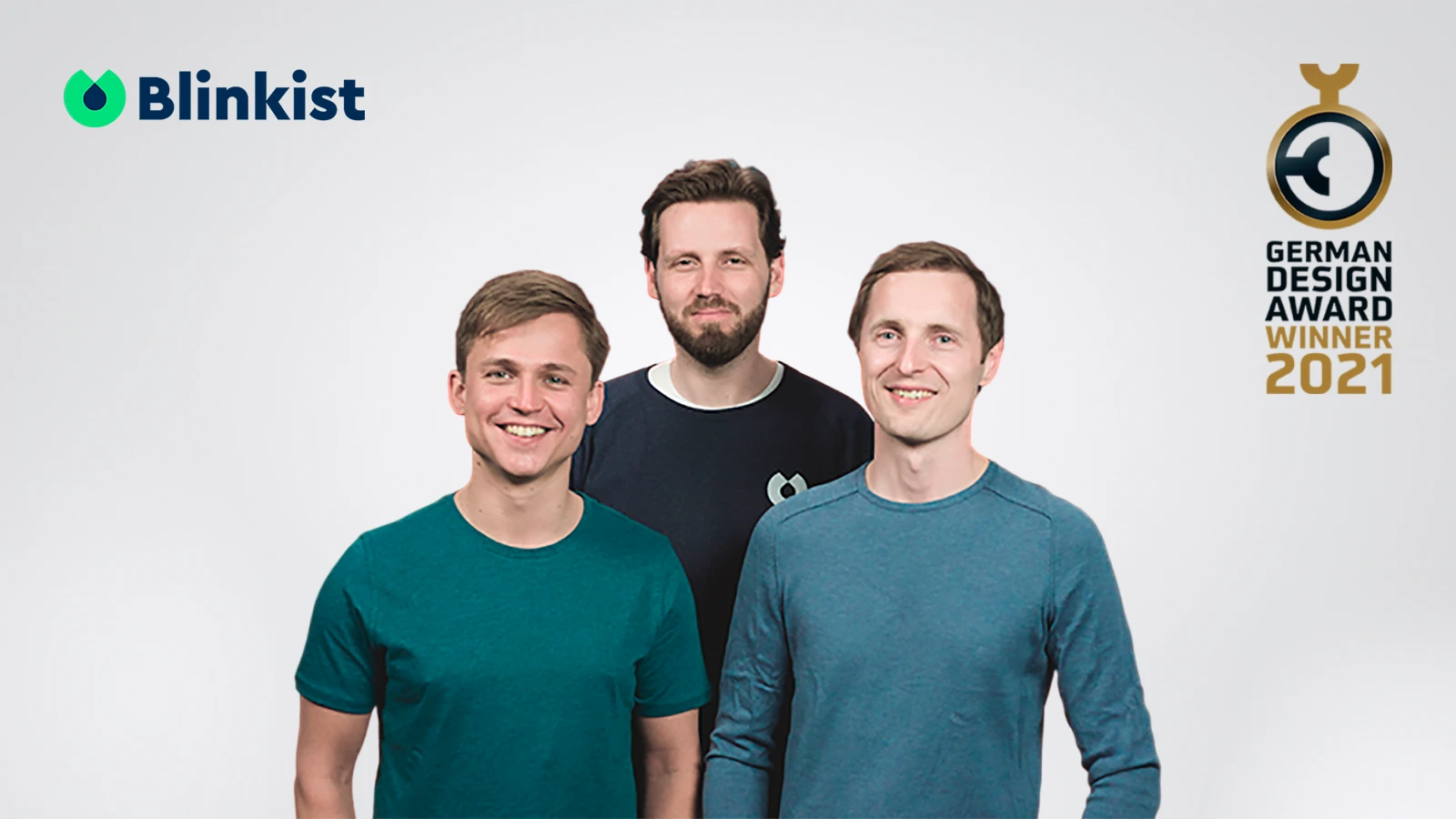
»Working with Martin Backes was great. We hired him to direct and consult us in our vision of becoming a worldwide-leading audio product.« Niklas Jansen, CEO and co-Founder blinkist
Challenge: Blinkist’s leadership team needed to align around a bold new vision — becoming a worldwide-leading audio product. Getting a complex, cross-functional stakeholder group moving in the same direction, fast, was the critical bottleneck.
Solution: Structured leadership alignment sessions brought the team to strategic clarity in days rather than months. Martin then stayed on as a strategic partner, coach, and consultant for 18 months — keeping execution sharp and the team aligned through the full transformation.
Result: Blinkist transformed into a premium audio-first product, and won the German Design Award in 2021. Two years later, the company was acquired by Go1, valued at over $2 billion.
🎯 This is what lasting organizational change feels like
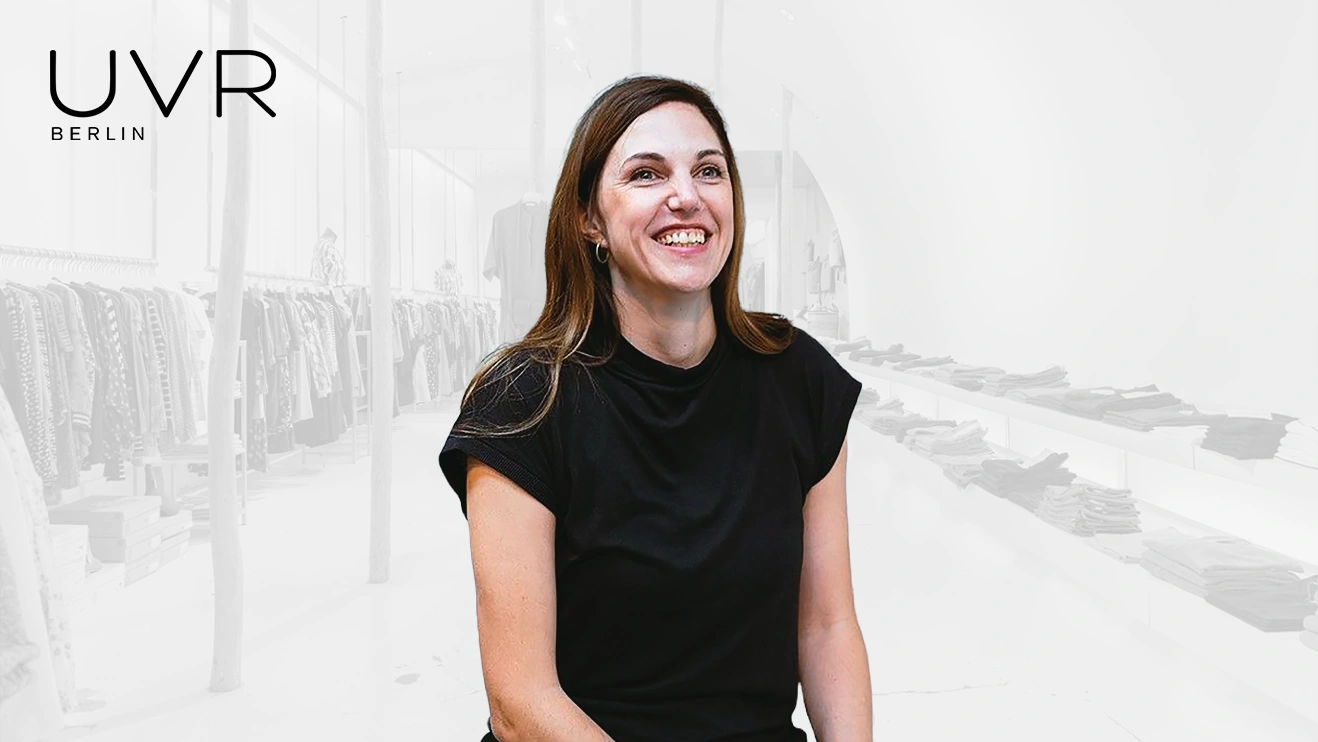
»Working with Martin Backes was a turning point for our organization. He helped us build real structures for leadership and collaboration — not just better meetings.« Anna Schieber, CEO UVR Berlin
Challenge: Slow decision-making, low team autonomy, and no scalable leadership structures. UVR Berlin was stuck in day-to-day firefighting — with no frameworks to unlock strategic innovation or growth.
Solution: Systemic redesign of leadership and collaboration: transforming leaders from firefighters to enablers with clear decision paths, defined responsibilities, and lightweight structures that enable real team autonomy. Built from the inside out for lasting results.
Result: Leadership became a real enabler — giving direction instead of creating bottlenecks. The team became more autonomous, decisions moved faster, and the dynamic shifted in ways that outlasted the engagement. UVR went on to open two new stores and successfully transitioned to a more sustainable brand.
🔍 Martin Backes brings clarity to complex teamwork and leadership
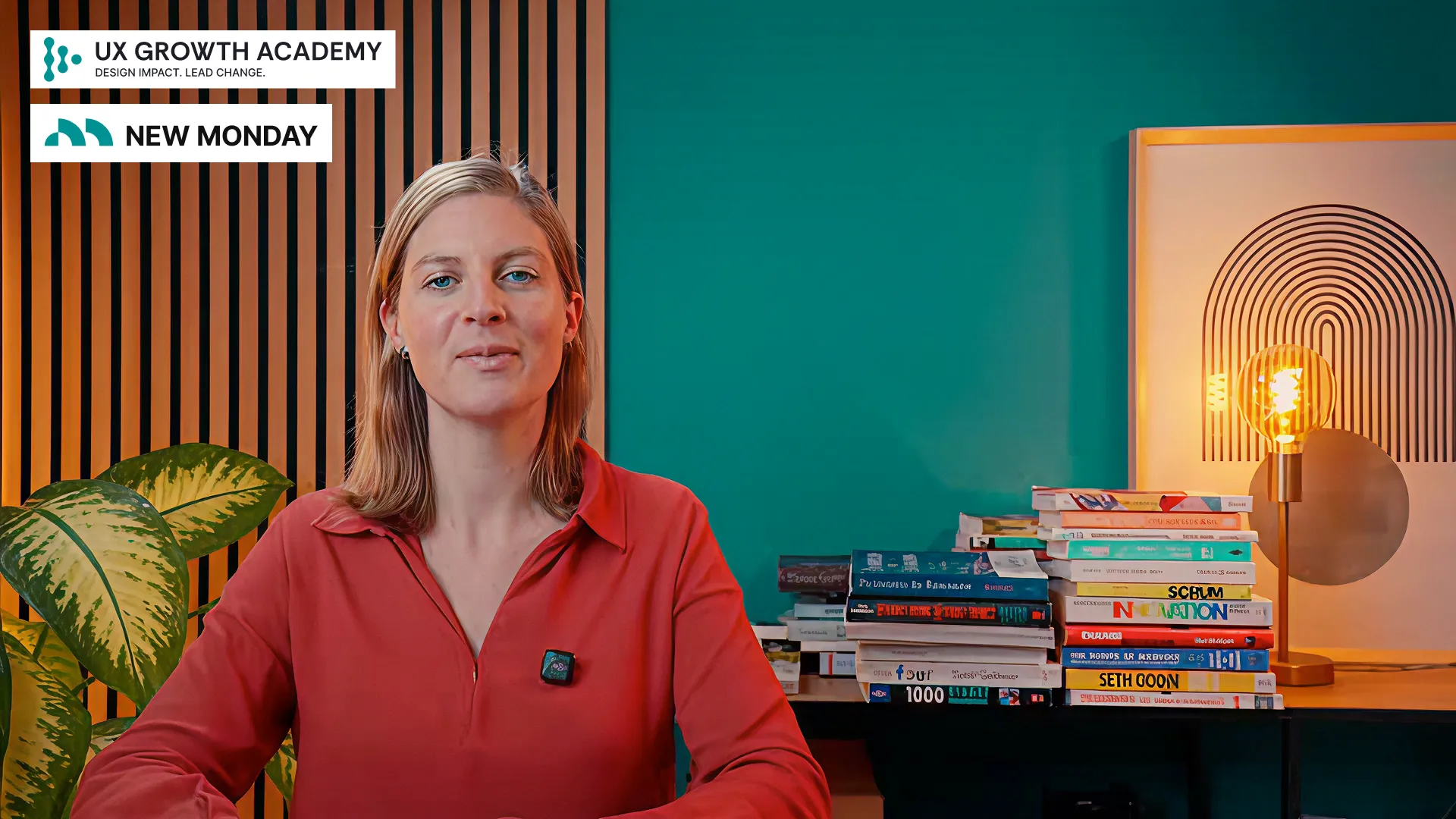
»I recommend Martin to anyone who wants to genuinely rethink teamwork, communication, and leadership — not just tweak it.« Laura Nielsen — Co-Founder New Monday & UX Growth Academy
Challenge: The UX Growth Academy — built by the team behind New Monday, Germany’s leading B2B UX agency — helps experienced UX designers develop communication, leadership, and stakeholder management skills. For their course “Designing Influence”, two new learning modules were needed on communication complexity in teams and overcoming silo thinking — complex topics that had to be immediately applicable for practitioners.
Solution: Martin developed both modules with rare structural clarity and innovative thinking — making complex team dynamics and communication patterns directly usable for course participants.
Result: The course “Designing Influence” gained real focus and impact. Participants reported feeling more confident in their communication and stronger in their teamwork — with effects that lasted well beyond the course itself.
CONVINCE YOURSELF
Not Sure Where the Real Friction Is? Let’s Find Out Together
1. Scheduling
Pick a time that works for you — slots are available within the next few days.
2. Situation Analysis
We look at what’s actually happening in your system — not just what looks like the problem.
3. Your Diagnosis
You leave with a clear picture of where to work — whether we continue together or not.
Our first meeting is 100% free of charge and without obligation.
No pitch. No commitment. Just real value.
FAQs
Questions We Get Frequently
The questions we hear most often — answered directly. If yours isn’t here, just ask.
1. Is this consulting, coaching, training, facilitation, or sparring?
It depends on what the situation actually requires — and in most engagements, it’s a combination.
We work co-creatively: solutions don’t come from us. They emerge from the work we do together with your leadership and your team. That applies across all formats. Whether we’re consulting, coaching, or facilitating — we’re never the ones who arrive with the answer. We’re the ones who help you find it, name it, and build it into your system.
In practice, the formats look like this:
Consulting is diagnostic and structural. We observe the system, make patterns visible, identify real leverage points, and help design the conditions for better work — together with you, not for you.
Coaching and Sparring works with individual leaders or leadership teams — on patterns, decisions, blind spots, and development over time. Coaching is structured and developmental. Sparring is direct, situational, and faster.
Facilitation is about designing and running the sessions where real decisions get made — strategy, alignment, structural redesign, team development. Not just keeping the meeting on track, but designing the conditions where the right things emerge.
Training builds specific capabilities deliberately — in leadership, collaboration, decision-making, or facilitation itself. Training is available as a standalone service and as part of broader engagements when capability gaps are part of the diagnosis.
What we don’t do: deliver a curriculum, run a standard program, or hand over a concept and leave. The format always follows the diagnosis — not the other way around.
2. How is this different from classic consulting?
Classic consulting diagnoses and recommends. A report gets delivered, a concept gets presented, and then the engagement ends. What happens next is your problem.
We work differently — and it requires more from you, not less. We build together with your people: co-creatively, iteratively, shaped to your actual reality. The goal isn’t a concept we deliver. It’s a capability that stays inside your organization after we leave.
That means: your leadership and your team are active participants, not passive recipients. We bring the outside perspective and the diagnostic frame. You bring the inside knowledge of how your system actually works. That combination is where durable change comes from — and it’s what makes the difference between change that holds and change that gets quietly neutralized within weeks.
3. What does working systemically mean — and how do structure, behavior, and psychodynamics fit together?
Working systemically means we don’t try to change people directly. We change the conditions that produce behavior — because the same people behave differently in different structures. That’s the primary lever.
Concretely: we observe before we act. We treat your organization as a living system, not a machine to be optimized. We look for the real leverage points — not the obvious symptoms — and create conditions where solutions emerge from within, not imposed from outside.
Structure comes first: decision paths, roles, communication channels, information flow. Because structure overrides behavior every time. The same person who micromanages in one system will delegate confidently in a system that makes delegation safe and clear.
That said, structure doesn’t explain everything. Individual patterns, blind spots, and psychodynamic processes also influence how organizations function — especially at leadership level. We don’t ignore that. But we start where the leverage is highest: organizational dynamics first, psychodynamics second. Both levels matter. Neither replaces the other.
4. Why external support — can't we solve this internally?
Many organizations try — and the internal effort is genuine. The problem is structural, not motivational.
Anyone who works inside a system naturally develops blind spots — and sometimes becomes part of the very pattern causing the problem, without knowing it. Internal initiatives fail not from lack of will, but from lack of neutrality, structural distance, and the outside perspective that makes invisible patterns visible.
There’s also a practical dimension: the people best positioned to drive internal change are usually the ones most overloaded with day-to-day operations. The capacity to observe the system clearly, design structural interventions, and hold the process over time rarely exists internally — not because the people aren’t capable, but because the system consumes them.
We bring what’s almost always missing internally: a clear diagnostic frame, the ability to see patterns from outside, and the experience of having seen the same dynamics across enough different organizations to know what actually moves them.
5. We've tried this before and it didn't work.
That’s useful information — not a disqualifier.
If previous programs, initiatives, or consulting engagements didn’t produce lasting change, it’s almost always because they worked at the wrong level. They addressed behavior or culture directly — through training, workshops, values programs, or communication campaigns — without changing the structural conditions that produce the current behavior. When people returned to the same system, the system won. It always does.
That’s exactly what we examine first: what was tried, at which level it intervened, and why it didn’t hold. The diagnosis usually points clearly to what was missing — and what would need to be different this time.
What makes this different: we work at the structural level, not the behavioral one. And we build internal capability and ownership throughout the process — so the change doesn’t depend on us to keep running.
6. What if leadership isn't fully on board?
This is worth being honest about: leadership buy-in isn’t optional for structural change. Culture is what leadership models, tolerates, and rewards. Structural redesign requires someone with the authority to make decisions about roles, information flow, and how things actually work. Without that, change stalls — quietly, efficiently, and without drama.
What “fully on board” actually means varies. We don’t need everyone aligned from day one. We do need at least one leadership sponsor who participates actively — not just endorses from a distance.
If you’re unsure whether the conditions for real change exist, that’s exactly what the first conversation is for. We’d rather have that conversation upfront than discover the constraint six weeks in.
7. What happens if we're not sure which service is right for us?
That’s exactly what the first conversation is for — and it’s the most common starting point.
Most clients don’t come in knowing whether they need organizational development, leadership coaching, or culture work. They come in knowing something isn’t working and that previous attempts haven’t fixed it. The diagnostic conversation clarifies which level the friction actually lives at — and which entry point makes most sense given your situation, your team, and what’s realistic right now.
Sometimes the right answer is one service. Often it’s a combination. Occasionally the conversation reveals that the timing isn’t right — and we’d rather say that upfront than start something that won’t hold. You leave the first call with a clear picture of where to work, regardless of whether we continue together.
8. Can we start small before committing to a longer program?
Yes — and we’d encourage it.
Every engagement starts with a free diagnostic call. If there’s a fit, the natural next step is often a focused diagnostic or a Clarity Session — a bounded first engagement that gives both sides a clear picture of the system, the real leverage points, and what a longer collaboration would actually look like.
This isn’t a trial version of the full program. It’s a genuinely useful piece of work on its own — one that often produces immediate clarity even if nothing follows. Starting small is almost always the right way to start.
9. How long does this take?
There’s no standard timeline — and we’re skeptical of anyone who gives you one without knowing your situation.
Meaningful structural change takes time. For focused work on a specific team or leadership challenge, a minimum of 8 to 12 weeks is realistic. For more complex organizational dynamics — culture, leadership systems, cross-functional structure — 6 to 18 months is a more honest range.
What we don’t do: run a fixed program and hand over at the end regardless of where things stand. We agree on a realistic scope upfront with clear milestones, and adjust as we learn more about the system. Progress is visible throughout — you’re not waiting for a far-off outcome to know whether it’s working.
10. How does the investment justify itself?
Structural friction is expensive — and most of the cost is invisible because it never shows up in a single line item. Lost time in coordination overhead. Decisions that arrive too late or not at all. Avoidable turnover. Value that never gets created because the conditions didn’t allow it. Initiatives that were funded, launched, and quietly failed.
We help make those hidden costs visible — and reduce them. The effects show up faster than most clients expect: clearer priorities, faster decisions, less escalation, less coordination overhead, stronger retention. Most organizations find the investment pays back within weeks, not months.
What we don’t do is pretend everything is measurable. Leadership, collaboration, and culture produce real effects that don’t always show up in KPIs — in how decisions get made, how accountability actually works, how conflicts get handled. We define success together at the start — with numbers where possible, with observable indicators where numbers don’t capture it.
Still have a question that’s not covered here? Just reach out — by email or by booking a call directly.
Don’t miss this opportunity to elevate your
business to the next level. Start now!
CONTACT
Book Your Diagnostic Call — or Just Start With a Conversation
Your organization, your leadership, your teams — different symptoms. one source.
Organizations, leadership teams, and collaboration structures break for the same reason: the conditions for real value creation are broken — not the people inside them. We fix the conditions, build the capability to navigate complexity, and make organizations fit for a world that keeps changing. And we build it all to run without us.
If you’re tired of recurring friction and ready to address it at the root — we’d like to hear from you.
No commitment. 100% free. Just real value.