Services


Organizational Culture Development
Culture is the pattern your structure produces — not what you say, what you do.
Culture lives backstage — in the decisions that were never explicitly made, the unwritten rules that shape behavior far more reliably than any values document. Culture isn’t knowledge you can transfer. It’s practice — embedded in behavior, invisible precisely because it works.
Most culture programs try to change it head-on: new values, new language, new posters. That’s expensive theater. You can’t change culture directly. But you can redesign the structures that produce it. That’s what we do — together with you.
No pitch. No culture-poster thinking. Just an honest conversation.








BEFORE OUR COLLABORATION
Six Signs Your Culture Work Isn’t Working
You don’t need to recognize all six. One is enough.
Problem
Culture Theater
New values. New language. New posters. The underlying decision patterns stayed exactly the same.
Problem
Psychological Safety Gap
People know the term. But they still don’t say what they actually think in the meeting that matters.
Problem
The Say-Do Gap
Leadership says “ownership.” Every real decision still routes through the same bottleneck. Mixed signals erode trust fast.
Problem
Change Fatigue
Your organization has seen too many initiatives. People wait them out now — quietly, efficiently, without drama.
Problem
High Performers Leave
They chose you for the culture you described. They left for the one they found.
Problem
The Learning Illusion
Lessons get documented. Nothing changes. The same mistakes happen again next quarter.
Culture isn’t the problem. Culture is the residue. The structure produces it — and determines whether your strategy creates value or just creates activity.
15 minutes. 100% obligation-free.
SURVEYS
The Cost of Culture That Doesn’t Work — And the Value of Culture That Does
The research is clear. Culture isn’t soft. It’s one of the most measurable drivers of business performance.
72%
higher employee engagement in orgs with a strong, aligned culture.
Highly engaged teams achieve 21% greater profitability — not through pressure, but through conditions that make good work possible.
Source: Workvivo — How Company Culture Impacts Organizational Performance 2023
61%
of employees would leave their current job for a company with a better culture.
They’re not leaving for more money. They’re leaving for better structural conditions — ones that were never built.
Source: Built In — Company Culture Report 2024
23%
of employees worldwide are genuinely engaged at work.
The cost: $8.9 trillion in lost productivity annually. Culture is the primary driver — and it’s a structural outcome, not a mood.
Source: Gallup — State of the Global Workplace 2024
The pattern is always the same: treating culture as a program. It isn’t. It’s what your structure produces every single day.
AFTER OUR COLLABORATION
What Culture Looks Like When the Structure Actually Supports It
Not a better mission statement. A real shift in how your organization behaves — every day.
Solution
Values Visible in Decisions, Not on Walls
The gap between stated and lived culture closes. What the organization claims to stand for matches what it actually rewards.
Solution
Psychological Safety That’s Real
People say what they actually think — because the system makes it safe, not because it’s demanded.
Solution
The Say-Do Gap Closes
Leaders do what they ask — consistently, not just in all-hands. Trust becomes the default, not the exception.
Solution
A Culture That Absorbs Change
New initiatives get built on — not quietly neutralized by an organization that’s seen it all before.
Solution
Talent That Stays
High performers stay because the culture matches what was promised. And those who stay don’t just endure — they engage.
Solution
Learning That Actually Happens
Mistakes get processed, not buried. Experiments get supported. The organization gets smarter over time.
This isn’t a description of a perfect culture. It’s what becomes possible when the structural conditions are right — when change no longer triggers the immune system, and energy that was lost to internal friction goes back into creating real value.
HOW IT WORKS
How We Change Culture — Clarify, Develop, Cultivate
Culture can’t be changed from the outside. It can’t be changed from the inside alone either — because you’re embedded in the patterns you’re trying to change. Anyone who works inside an organization naturally develops blind spots — and is sometimes part of the problem pattern, contributing to its continuation without knowing it.
That’s the power of co-creative organizational development: your knowledge of how this organization actually works, our ability to see it from outside and name what’s structural. Together, we find leverage points that neither of us would find alone.
Our starting point is always the same question: what’s the structure actually producing — and why?

Phase 1: Clarify — Diagnose the Real Culture
See what's running backstage
The stated culture and the lived culture are almost always different. We make both visible — where the system rewards behavior you don't want, what unwritten rules override every written one, and where the real leverage points are. Result: A shared, honest picture of what's actually shaping behavior.

Phase 2: Develop — Build the Structural Conditions
Change the conditions — not the culture directly
Behavior changes when the system makes different behavior easier. We design targeted structural changes together: decision formats, role clarity, feedback rituals, information flow. The culture shifts as a consequence. Result: Structural changes that produce different behavior — not through mandate, but through design.

Phase 3: Cultivate — Anchor and Hand Over
Make the new patterns the new normal
We identify internal culture carriers, build self-reinforcing routines, and hand over ownership. A culture that depends on an external consultant isn't culture — it's a program. And programs end. Result: Change that runs without us. Because that's the only kind worth building.
Culture work is a continuous process. We scope engagements realistically — no standard program, no milestone plan that pretends culture change is linear.
FOR WHOM?
Who This is for — and Who It Isn’t.
If you recognize yourself in more than two of these, it’s worth a conversation.
Not for you if…
You want to fix culture without examining or changing anything structural
Leadership isn't willing to be visible in — and changed by — the process
You're looking for a faster way to do what you've already been doing
You're looking for a culture survey followed by a communication plan
You want to be told what you want to hear — not an honest outside perspective
You're not ready to question what the organization is actually rewarding every day
This is for you if…
You sense the gap between the culture you describe and the one people actually experience
You're willing to look honestly at what the system is actually producing
You're an HR or L&D leader ready to work at the structural level, not just run programs
You're losing good people and suspect the culture is part of the reason
You know culture change requires leadership to change first — and you're prepared for that
You've run culture initiatives before — and they didn't hold
The organizations whose culture actually works didn’t build it through culture programs. They built it by changing how decisions are made, how feedback happens, and how leadership behaves every day. If you’re ready for that work — let’s talk.
Think big, start small.
CLIENT TESTIMONIALS
Don’t Just Take Our Word for It: Hear What Our Customers Say
🏆 Our project was honored with the German Design Award
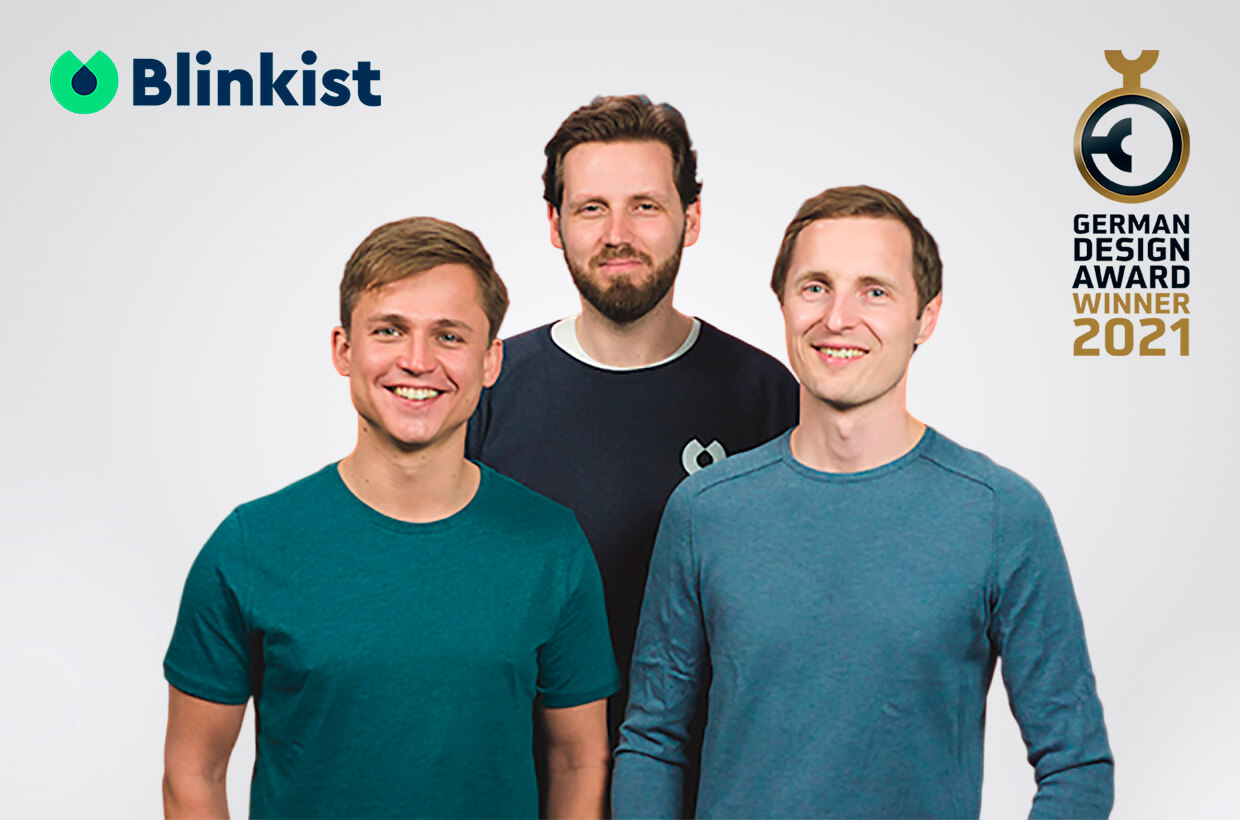
»Working with Martin Backes was great. We hired him to direct and consult us in our vision of becoming a worldwide-leading audio product.« Niklas Jansen, CEO and co-Founder blinkist
Challenge: Blinkist’s leadership team needed to align around a bold new vision — becoming a worldwide-leading audio product. Getting a complex, cross-functional stakeholder group moving in the same direction, fast, was the critical bottleneck.
Solution: Structured leadership alignment sessions brought the team to strategic clarity in days rather than months. Martin then stayed on as a strategic partner, coach, and consultant for 18 months — keeping execution sharp and the team aligned through the full transformation.
Result: Blinkist transformed into a premium audio-first product, and won the German Design Award in 2021. Two years later, the company was acquired by Go1, valued at over $2 billion.
🎯 This is what lasting organizational change feels like
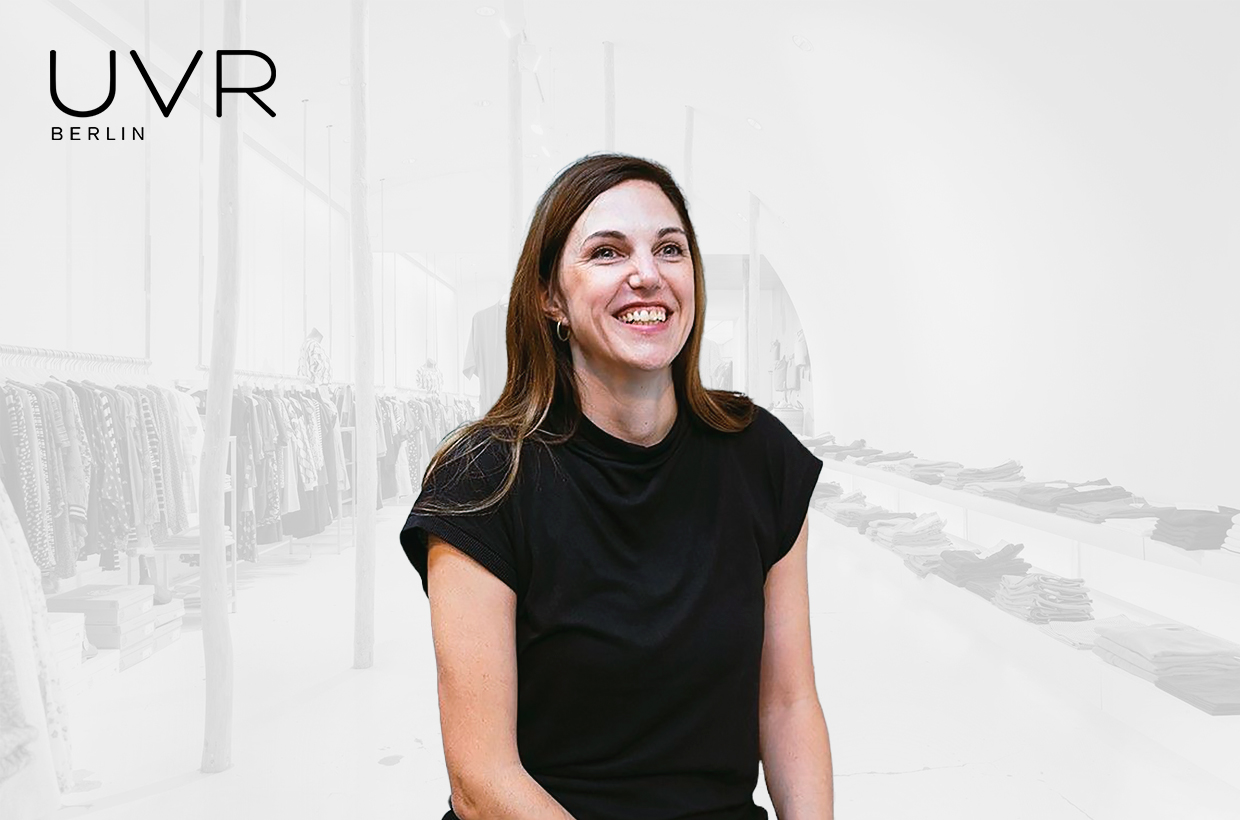
»Working with Martin Backes was a turning point for our organization. He helped us build real structures for leadership and collaboration — not just better meetings.« Anna Schieber, CEO UVR Berlin
Challenge: Slow decision-making, low team autonomy, and no scalable leadership structures. UVR Berlin was stuck in day-to-day firefighting — with no frameworks to unlock strategic innovation or growth.
Solution: Systemic redesign of leadership and collaboration: transforming leaders from firefighters to enablers with clear decision paths, defined responsibilities, and lightweight structures that enable real team autonomy. Built from the inside out for lasting results.
Result: Leadership became a real enabler — giving direction instead of creating bottlenecks. The team became more autonomous, decisions moved faster, and the dynamic shifted in ways that outlasted the engagement. UVR went on to open two new stores and successfully transitioned to a more sustainable brand.
FREE CULTURE DIAGNOSTIC
What Does Your Organizational Culture Actually Look Like Right Now — Versus What You Want It to Be?
Most culture problems have a structural source — but it’s rarely where it looks like it is. In a free call, we identify where it actually sits.
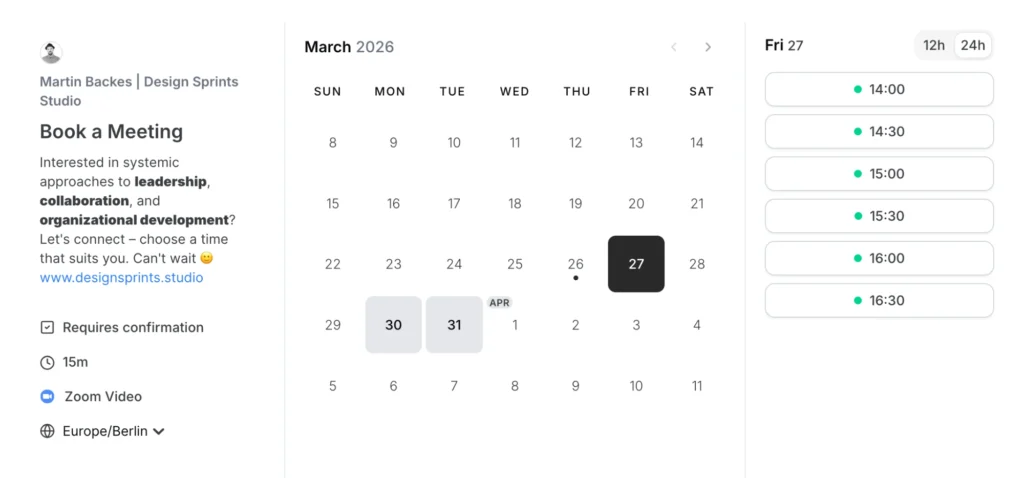
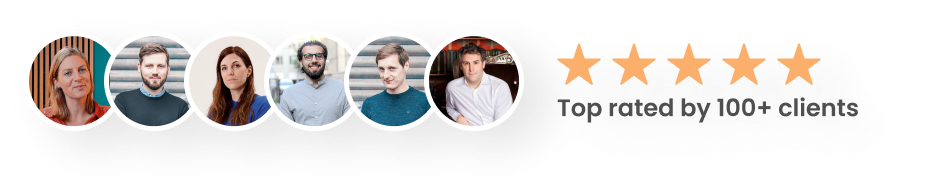
1. Scheduling
Pick a time that works for you — slots are available within the next few days.
2. Situation Analysis
We look at what’s actually driving your culture — not just what looks like the problem.
3. Your Diagnosis
You leave with a clear picture of where to work — whether we continue together or not.
Our first meeting is 100% free of charge and without obligation.
No pitch. No commitment. Just real value.
FAQs
Questions We Get Frequently
The questions we hear most often — answered directly. If yours isn’t here, just ask.
1. Structure, behavior, and psychodynamics — how does that fit together?
We look at structure first — decision paths, roles, communication channels, information flow. Because structure overrides behavior: the same people behave differently in different structures. That’s our primary lever.
That said, structure doesn’t explain everything. Individual patterns, blind spots, and psychodynamic processes influence how organizations function. We don’t ignore that — but we start where the leverage is highest. Organizational dynamics first, psychodynamics second.
2. What does working systemically actually mean in practice?
It means we don’t change people directly — we change the conditions that produce behavior. Concretely: we observe before we act. We treat the organization as a living system, not a machine. We look for the real leverage points, not the obvious symptoms. And we create conditions where solutions emerge from within — not imposed from above.
3. Why does culture change require external support — can't it be done internally?
Anyone who works inside a system naturally develops blind spots — and is sometimes part of the very pattern causing the problem. Culture work especially: internal initiatives fail not from lack of will, but from lack of neutrality and structural distance. We bring the outside perspective that’s always missing internally — not to deliver solutions, but to find the right leverage points.
4. How is this different from a standard culture program?
Most culture programs work on the front stage — values, language, stated behaviors. We work on the backstage: the decision premises, the informal rules, the structural conditions that produce actual behavior. That’s a different level of intervention — and it produces different results.
5. Why do most culture programs fail?
Because they address culture directly — through values documents, workshops, and communication campaigns. Culture isn’t a direct intervention point. It’s a byproduct of structure. Programs that don’t change who decides what, what information flows where, and which behaviors get quietly rewarded every day, change nothing except the language.
6. Is culture change possible without full leadership buy-in?
No — and we say so directly. Culture is what leadership models, tolerates, and rewards. If leadership isn’t in it, the change will stall. We address this directly upfront — and work with what’s realistic in your situation.
7. How long does culture change take?
Visible behavioral shifts can happen within weeks when structural conditions change. Self-sustaining cultural patterns take 6 to 18 months. We design for that timescale and make progress visible throughout — so you’re not waiting for a far-off outcome.
8. Do you do workshops?
Yes — but not as the main intervention. Workshops can be powerful structural tools when they’re designed to move real decisions, change information flow, or redefine roles. They fail when they’re designed to change mindsets without changing the structures that produce the current ones.
9. How do we know if culture change is actually happening?
Culture change shows up in decisions before it shows up in surveys. Early indicators: what gets escalated versus handled, what gets said in meetings versus said in the hallway, what leadership actually does when values and convenience point in different directions. We define these indicators together at the start — so progress is visible, not just felt.
10. Will the change hold after you leave?
Yes — that’s the core of our approach. We identify internal culture carriers, transfer ownership, and build self-reinforcing routines. Culture that depends on an external consultant isn’t culture — it’s a program. And programs end. We build for the day after we leave.
11. Can you work with HR and L&D as co-partners?
Yes — and it’s often the strongest setup. Internal partners who know the system, external structural perspective. We’ve worked this way successfully.
12. How does the investment justify itself?
Structural friction in culture is expensive — in turnover, disengagement, and value that never gets created. The effects of structural culture work show up quickly: clearer decisions, less conflict avoidance, faster feedback loops. Most organizations find the investment pays back within weeks.
Still have a question that’s not covered here? Just reach out — by email or by booking a call directly.
CONTACT
Book Your Free Diagnostic Call
Culture Is Built — Decision by Decision, Structure by Structure. Let’s Build It Intentionally.
If the gap between the culture you describe and the culture your people experience keeps persisting — despite genuine effort — the cause is almost certainly structural. That’s actually good news. It means it’s diagnosable. And it means it’s changeable.
If you’re ready to build a culture that reflects what you actually want your organization to be — we’d like to help.
Free first call. No culture theater. Just honest conversation.